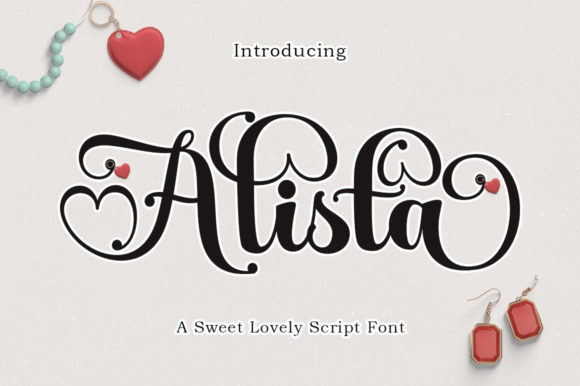
Alista Script: A Stylish Handwritten Font for Modern Branding
I opened a blank brand board last Tuesday, staring at the white canvas with that familiar mix of excitement and dread. The client wanted a boutique skincare line that felt organic yet premium, and I knew a standard sans-serif would kill the mood. That is when I pulled Alista Script into my workspace. It wasn't just another file in my library; it was the missing piece that turned a generic layout into something with soul. As an experienced brand designer who has tested hundreds of typefaces, I can tell you that finding a script handwritten font that balances elegance with usability is rare. After running this typeface through logo drafts, packaging mockups, and social media grids, I have some honest observations about where it shines and where it needs a little care.
Alista Script for Wedding Invitations and Elegant Branding
The moment I placed Alista Script on a wedding invitation mockup, the delicate strokes immediately elevated the entire design. This script handwritten style captures the fluidity of calligraphy without feeling stiff or overly ornate. When designing for weddings, the goal is often to convey romance and personal touch, and Alista Script delivers exactly that. Unlike many decorative fonts that become unreadable at smaller sizes, this font maintains its clarity even on save-the-date cards or table numbers. I found myself using it not just for the main names, but also for the "Thank You" notes on the back of the envelope. Its natural flow makes it perfect for greeting cards and quotes where a human element is essential. If your project requires a hand-written feel that still looks professional and refined, this font is a standout choice among modern fonts.
Testing Alista Script on Logos and Business Cards
Logo design is where most script fonts fail because they struggle to scale down or look too busy on a business card. However, testing Alista Script on a small coffee shop logo revealed its true potential. The letterforms connect smoothly, creating a cohesive wordmark that feels custom-made rather than mass-produced. I paired it with a clean sans-serif serif font for the tagline, which created a beautiful contrast between the playful script and the grounded text. On a business card mockup, the font's legibility held up perfectly, ensuring that contact details were clear while the brand name remained the star. For creative studios or handmade sellers, using Alista Script as a primary logo element can instantly communicate creativity and attention to detail. Just remember that for very small print, like a phone number on a card, it is best used as an accent rather than the main body text.
Alista Script for Packaging Design and Product Labels
Packaging is a unique challenge because the typography must compete with product imagery and regulatory text. I applied Alista Script to a series of artisanal tea labels, and the result was stunning. The delicate nature of the font complemented the soft colors and textures of the packaging without overpowering them. In the world of script handwritten typefaces, few manage to look equally good on a digital screen and a physical box. When designing product labels, Alista Script works best for the brand name or a short slogan. I noticed that the ligatures and swashes added a layer of sophistication that made the product look more expensive. Whether you are branding a bakery, a cosmetic line, or a craft store, this font helps create a memorable visual identity. It transforms a simple jar or bag into a curated experience, proving that the right fonts can significantly influence consumer perception.
Alista Script in Social Media Graphics and Web Headers
Digital platforms demand fonts that are both eye-catching and readable at various screen sizes. I tested Alista Script on Instagram posts and website headers, and it performed admirably. As a display font, it grabs attention immediately in a crowded feed, especially when used for headlines or promotional banners. The fluid lines guide the eye naturally across the image, making it ideal for storytelling captions or quote graphics. For web design, I used it sparingly as a header accent, pairing it with a modern sans-serif for the body copy to ensure accessibility. While it is a script handwritten style, it does not feel dated; instead, it adds a contemporary, artistic flair to digital assets. Just be cautious with long paragraphs of text, as the font is designed for impact and short phrases rather than dense editorial content.
Font Pairing and Technical Considerations for Alista Script
Using Alista Script effectively often comes down to how well it pairs with other typefaces. Since it is a script handwritten font with a distinct personality, it needs a neutral partner to balance the visual weight. I recommend combining it with a geometric sans-serif for a modern look or a classic serif for a timeless aesthetic. This combination ensures that the brand identity remains consistent across all touchpoints, from business cards to website headers. Before finalizing any project, I always test the font in different weights and styles to see how the alternates behave. Most high-quality fonts come with a variety of characters and ligatures that add polish to the design. Finally, always check the commercial licensing terms before using Alista Script in client work, merchandise, or templates. Understanding the usage rights ensures that your branding projects remain compliant and professional.