Blueberry Muffin: A Whimsical Script Handwritten Typeface Review
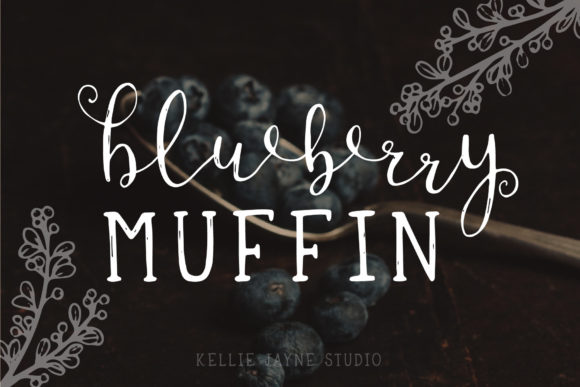
I opened a blank brand board on my screen, staring at the empty canvas for a new boutique bakery identity, when I realized that the right typeface could make or break the entire concept. That is exactly where Blueberry Muffin stepped in as a game-changer, transforming a generic layout into something with soul and character. This font duo is not just another set of characters; it is a carefully crafted combination of a delicate script and a rustic serif that brings an immediate sense of warmth to any project.
Blueberry Muffin for Bakery Packaging and Rustic Branding
When I first tested Blueberry Muffin on a mockup for a local artisanal jam label, the whimsical and rustic nature of the design instantly elevated the product's perceived value. The script component is incredibly delicate, mimicking the flow of a hand-written note that feels personal and inviting, while the accompanying serif draws inspiration from old signs and typewriter letters to ground the design with a touch of vintage authority. Using this Script Handwritten style for packaging design allows small business owners to create a cohesive visual language that speaks directly to customers who appreciate handmade quality and authenticity.
The versatility of these Fonts means they work beautifully on everything from kraft paper tags to glossy product boxes. Unlike stiff corporate typefaces, Blueberry Muffin adds a layer of narrative to your brand, suggesting that care and attention went into every detail. Whether you are designing a logo for a farm-to-table restaurant or creating labels for a craft soap line, this duo provides the perfect balance between playful charm and structural integrity.
Blueberry Muffin for Logo Design and Business Card Typography
In a recent branding project for a creative studio, I placed Blueberry Muffin as the primary headline for their logo draft, and the result was a striking contrast between elegance and approachability. The delicate script serves as an excellent accent for short phrases or monograms, drawing the eye immediately, while the typewriter-inspired serif handles longer text with surprising readability. When used on business cards, this font duo creates a tactile feeling even before the recipient touches the paper, reinforcing the idea of a premium, thoughtful brand identity.
However, it is important to remember that this is primarily a display font rather than a body text solution. For a logo, the distinct personality of Blueberry Muffin helps establish immediate recognition, but it should be paired carefully with a clean sans serif for contact details to ensure clarity. The combination of the two styles within the same family makes it easy to maintain consistency without needing to hunt for multiple typefaces, saving time during the final stages of asset creation.
Blueberry Muffin for Social Media Graphics and Website Headers
Designing a series of Instagram posts for a lifestyle blogger required fonts that could stand out in a crowded feed, and Blueberry Muffin delivered exactly that with its unique handwritten flair. As a modern typography tool, it excels in social media graphics where grabbing attention quickly is essential. The whimsical curves of the script add a human element that algorithm-driven content often lacks, making the audience feel like they are connecting with a real person behind the screen.
I also tested these Fonts on a website header for a portfolio site, where the serif portion provided a solid anchor for the navigation menu while the script added a signature touch to the hero section. This application demonstrates how a Script Handwritten style can be adapted for digital interfaces without sacrificing legibility. By using the font for headlines and key messages, designers can guide the user's eye through the content hierarchy effectively. Just avoid using the full script for long paragraphs, as the decorative nature of the letterforms is best suited for impact rather than extended reading.
Blueberry Muffin for Editorial Design and Creative Projects
For a local magazine feature on handmade crafts, I utilized Blueberry Muffin to style pull quotes and section dividers, proving its strength in editorial design contexts. The font's ability to blend the softness of a handwritten script with the structured look of a typewriter serif creates a dynamic visual rhythm that keeps readers engaged. It works particularly well for titles, captions, and decorative elements that need to convey a specific mood—whether that is nostalgic, romantic, or simply fun.
While the font offers a wide range of stylistic possibilities, it is crucial to understand its limitations. If you are working on a formal corporate report, legal document, or any project requiring high-density text, this whimsical and rustic aesthetic might feel too casual. The delicate nature of the script can become difficult to read at very small sizes, so it is best reserved for headlines, logos, and short phrases where its character can shine. Always test the font in its intended context before committing to a final design to ensure it meets your specific readability requirements.
Blueberry Muffin Font Pairing and Licensing Considerations
To get the most out of Blueberry Muffin, pairing it correctly is essential for a professional finish. Since the font duo already contains both a script and a serif, it is often best to pair it with a neutral sans serif for body copy to let the Blueberry Muffin take center stage. This creates a balanced composition where the Script Handwritten elements provide the personality, and the supporting type ensures the message is clear. Many designers find success by combining this whimsical and rustic style with a clean geometric sans for a modern yet grounded look.
Before downloading or purchasing, it is vital to review the included styles, alternates, and ligatures to see if the file format meets your workflow needs. Most premium font packages include webfont availability and various weights, but checking the specific details ensures compatibility with your design software. Furthermore, always verify the commercial font licensing terms, especially if you plan to use the Fonts in client work, merchandise, or print-on-demand products. Understanding whether the license covers unlimited usage or requires additional fees protects you and your clients from potential legal issues down the road.